What Is GLP-1? A Simple Guide to the Weight-Loss Hormone
Adrian Carter·Former metabolic disease researcher turned health writer. Breaks down how hormones like GLP-1 shape your weight, appetite, and energy — no jargon required.··7 min read
What Is GLP-1? A Simple Guide to the Weight-Loss Hormone
You have probably heard of Ozempic, Wegovy, or "GLP-1 drugs" in the news. But the hormone behind these medications has been working inside your body since the day you were born. Understanding what it does can help you make sense of the biggest shift in metabolic health in decades.
What Is GLP-1?
GLP-1, short for glucagon-like peptide-1, is a hormone your gut produces every time you eat. Its main job is to tell your body that food has arrived — and to manage what happens next[1].
How GLP-1 travels from your intestine to your brain and pancreas after a meal.
Think of GLP-1 as your body's built-in appetite dimmer switch. After a meal, specialized cells in your small intestine release GLP-1 into your bloodstream. From there, it triggers a chain of metabolic responses[1]:
Signals fullness to your brain: GLP-1 activates satiety centers in the hypothalamus, reducing your desire to keep eating.
Triggers insulin release: It tells your pancreas to produce insulin, but only when blood sugar is high — a built-in safety feature[1].
Slows digestion: GLP-1 delays gastric emptying, keeping food in your stomach longer and flattening post-meal blood sugar spikes.
Suppresses glucagon: During high blood sugar, it reduces the release of glucagon, a hormone that would otherwise raise your levels further[1].
Natural GLP-1 breaks down fast — it lasts only two to three minutes before an enzyme called DPP-4 destroys it. GLP-1 receptor agonist medications are engineered to resist that breakdown, with some lasting an entire week from a single dose[1].
Who Benefits from GLP-1?
GLP-1-based treatments were originally developed for type 2 diabetes. Today, their reach extends well beyond blood sugar control.
GLP-1 treatments now serve a broader range of metabolic health needs.
Clinical trials have enrolled adults without diabetes who have a body mass index of 30 or higher, or 27 or higher with weight-related health conditions. A meta-analysis of 47 trials found the greatest benefits in younger patients, female patients, and those with higher starting weight. Your healthcare provider is the right person to determine whether this therapy fits your situation.
Frequently Asked Questions
This content is for informational purposes only and is not intended as medical advice, diagnosis, or treatment. Always consult a qualified healthcare provider before starting any supplement or making changes to your health regimen.
AC
Adrian Carter
Former metabolic disease researcher turned health writer. Breaks down how hormones like GLP-1 shape your weight, appetite, and energy — no jargon required.
Former metabolic disease researcher turned health writer. Breaks down how hormones like GLP-1 shape your weight, appetite, and energy — no jargon required.
GLP-1weight losshormonessemaglutide
Related Articles
metabolic health
GLP-1 & Metabolics
Oral Semaglutide vs Injection: Which Form Works Better for Weight Loss?
Pill or shot? Compare oral semaglutide vs injection for weight loss using clinical trial data, real-world outcomes, and adherence research.
The clinical evidence for GLP-1 receptor agonists is substantial. A 2025 systematic review covering 26 trials and over 15,000 participants found these results in adults without diabetes[3]:
Weight loss results vary by medication type, dose, and treatment duration.
Semaglutide 2.4 mg (weekly injection): up to 13.9% body weight loss after 68 weeks
Oral semaglutide 50 mg (daily pill): 15.1% loss versus 2.4% with placebo[4]
Tirzepatide 15 mg (weekly injection): up to 17.8% loss after 72 weeks
A pooled analysis of 47 trials found an average weight reduction of 4.57 kg compared to placebo, along with a BMI decrease of 2.07 kg/m2[2]. Individual results can vary widely.
In the OASIS 1 phase 3 trial, 85% of participants taking oral semaglutide lost at least 5% of their body weight, and 34% lost 20% or more[4]. For more on delivery methods, see our guide to how GLP-1 agonists actually work.
What to Watch Out For
Most side effects involve your digestive system. Being informed helps you know what to expect.
Most side effects are digestive and tend to ease over the first few weeks.
Here are the most commonly reported side effects from clinical trials[3][4]:
Nausea: 20-50% of patients, especially during early treatment
Diarrhea: 15-30% of cases
Vomiting: 10-25% of patients
Constipation: 10-20% of patients
Overall, gastrointestinal events occurred in 47-84% of people on GLP-1 treatment versus 13-63% on placebo[3]. Most were mild to moderate and improved with time. Gradual dose increases help reduce their frequency.
A large study of nearly 216,000 GLP-1 users also flagged rarer risks including drug-induced pancreatitis, kidney stones, and low blood pressure[7]. Discuss these with your doctor before starting treatment.
Benefits Beyond Weight Loss
One of the more exciting areas of GLP-1 research is what these medications do outside of weight management.
Emerging research links GLP-1 to cardiovascular, brain, and kidney health benefits.
The SELECT trial — a study of 17,604 patients — found that weekly semaglutide reduced major cardiovascular events by 20% compared to placebo in patients with obesity and existing heart disease but without diabetes[5]. A 2024 meta-analysis confirmed these benefits: GLP-1 receptor agonists reduced heart failure hospitalizations by 27% and improved kidney outcomes by 21%[6].
A 2025 study mapping 175 health outcomes across over 215,000 users found associations with reduced risk of neurocognitive conditions including Alzheimer's disease[7]. This research is early-stage, but it suggests GLP-1 receptors in the brain may play a larger role than previously understood. For a deeper look, see our in-depth review of semaglutide.
How to Get Started
Every treatment plan starts with a healthcare provider who can evaluate whether GLP-1 therapy is appropriate for you.
GLP-1 treatment follows a gradual dose-increase schedule over several months.
Most GLP-1 medications follow a slow dose-escalation schedule. Injectable semaglutide starts at 0.25 mg per week and increases to 2.4 mg per week[3][5]. This ramp-up minimizes digestive side effects.
Results take time: Maximum weight loss occurred between 48 and 72 weeks in trials.
Injectable vs. oral: Both work well. Oral semaglutide achieved 15.1% weight loss[4].
Lifestyle matters: Trials combined medication with reduced-calorie diets and activity.
Surgical note: Guidelines suggest pausing GLP-1 drugs before surgery due to delayed gastric emptying.
Frequently Asked Questions
Q. Is GLP-1 a natural hormone or a drug?
GLP-1 is a natural hormone your gut produces after every meal. The medications in the news are lab-modified versions designed to last much longer. Natural GLP-1 breaks down within minutes, while semaglutide lasts a full week[1].
Q. How much weight can you lose on GLP-1 medications?
Results vary by medication. In clinical trials, injectable semaglutide produced up to 13.9% weight loss, tirzepatide up to 17.8%, and oral semaglutide 15.1%[3][4]. These results develop over 48 to 72 weeks of consistent treatment.
Q. What are the most common side effects?
Digestive issues top the list: nausea (20-50%), diarrhea (15-30%), vomiting (10-25%), and constipation (10-20%)[3]. These tend to be worst at the start and improve over time.
Q. Does GLP-1 only help with weight loss?
No. Research shows a 20% reduction in cardiovascular events[5], improved kidney outcomes[6], and possible lower risk of neurocognitive conditions[7]. The benefits extend well beyond the scale.
Q. Can you take GLP-1 as a pill instead of an injection?
Yes. Oral semaglutide 50 mg produced 15.1% weight loss in the OASIS 1 trial — comparable to injectable formulations[4].
References
[1] Liu QK et al., "Mechanisms of action and therapeutic applications of GLP-1 and dual GIP/GLP-1 receptor agonists," Frontiers in Endocrinology, 2024. DOI: 10.3389/fendo.2024.1431292
[2] Wong HJ et al., "Efficacy of GLP-1 Receptor Agonists on Weight Loss, BMI, and Waist Circumference," Diabetes Care, 2025. DOI: 10.2337/dc24-1678
[3] Moiz A et al., "Efficacy and Safety of GLP-1 Receptor Agonists for Weight Loss Among Adults Without Diabetes," Annals of Internal Medicine, 2025. DOI: 10.7326/ANNALS-24-01590
[4] Knop FK et al., "Oral semaglutide 50 mg taken once per day in adults with overweight or obesity (OASIS 1)," The Lancet, 2023. DOI: 10.1016/S0140-6736(23)01185-6
[5] Lincoff AM et al., "Semaglutide and Cardiovascular Outcomes in Obesity without Diabetes," New England Journal of Medicine, 2023. DOI: 10.1056/NEJMoa2307563
[6] Neuen BL et al., "Cardiovascular, Kidney, and Safety Outcomes With GLP-1 Receptor Agonists Alone and in Combination With SGLT2 Inhibitors," Circulation, 2024. DOI: 10.1161/CIRCULATIONAHA.124.071689
[7] Xie Y et al., "Mapping the effectiveness and risks of GLP-1 receptor agonists," Nature Medicine, 2025. DOI: 10.1038/s41591-024-03412-w
This content is for informational purposes only and is not intended as medical advice, diagnosis, or treatment. Always consult a qualified healthcare provider before starting any supplement or making changes to your health regimen.


 How GLP-1 travels from your intestine to your brain and pancreas after a meal.
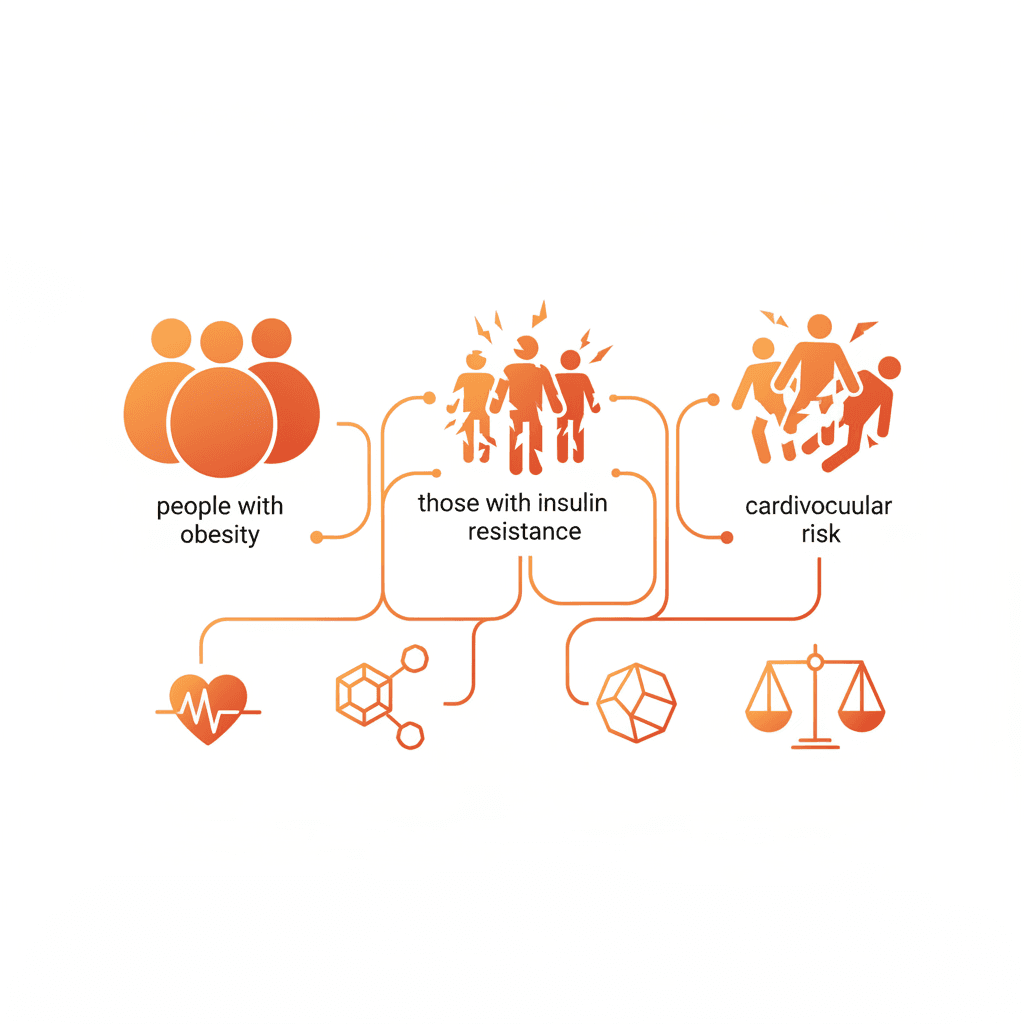 GLP-1 treatments now serve a broader range of metabolic health needs.


 Weight loss results vary by medication type, dose, and treatment duration.
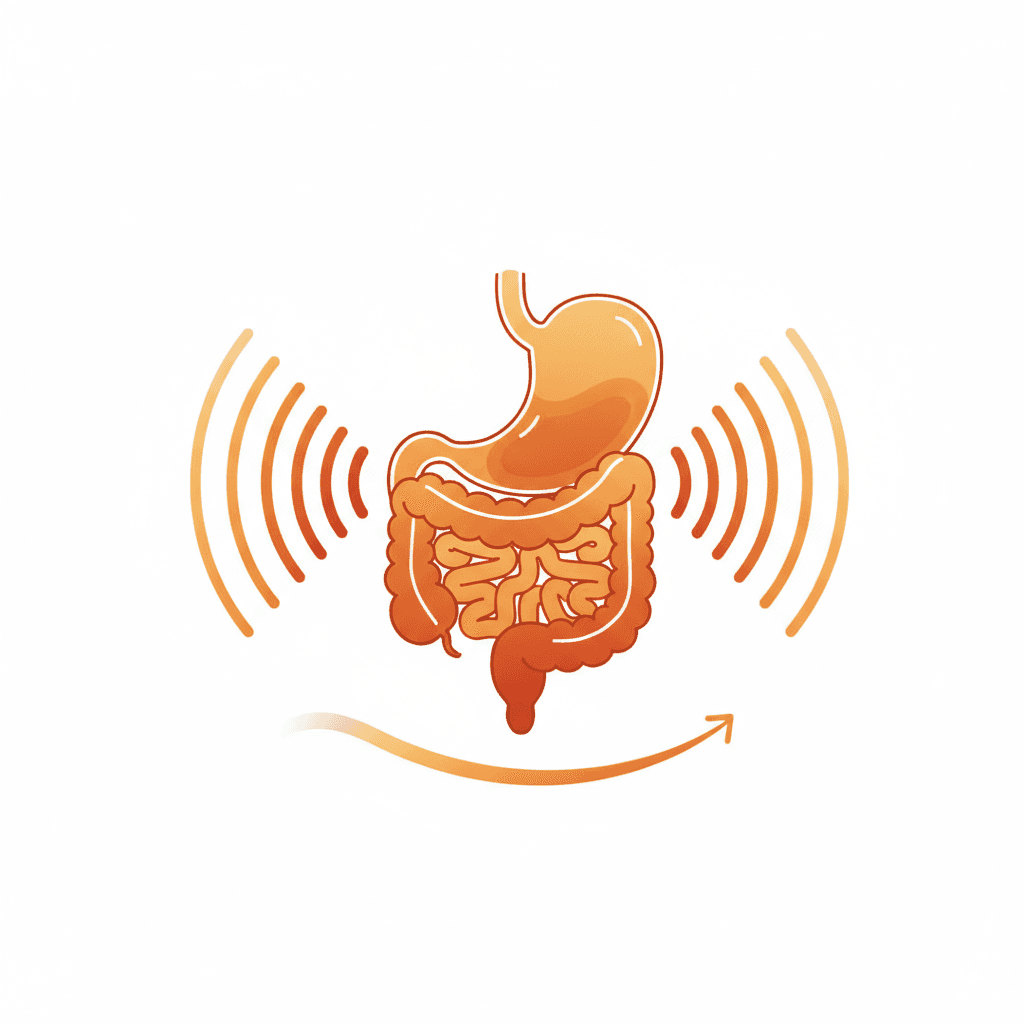 Most side effects are digestive and tend to ease over the first few weeks.
 Emerging research links GLP-1 to cardiovascular, brain, and kidney health benefits.
 GLP-1 treatment follows a gradual dose-increase schedule over several months.